• Solutions
    • Hardware
    • Software
    • Services
  • Industries
    • Automotive
    • Chemicals
    • Food & Beverage
    • Forest Products
    • Metals
    • Mining
    • Oil & Gas
    • Utilities
    • Wastewater
  • Case Studies
    • Automotive
    • Chemicals
    • Food & Beverage
    • Forest Products
    • Metals
    • Mining
    • Oil & Gas
    • Utilities
    • Wastewater
    • All Case Studies
  • About
    • Meet Our Team
    • Join Our Team
    • Partnerships
  • Resources
    • Blog
    • Machine Health Optimization
    • Events & Webinars
    • Who We Serve
    • System Status
    • Value Calculator
    • Glossary
    • Podcast
    • KCF Academy
  • Request a Demo
  • SD LOGIN
  • CONTACT
    • Sales
    • Product Support
    • General Inquiry
  • Request a Demo
  • SD LOGIN
  • CONTACT
    • Sales
    • Product Support
    • General Inquiry
  • Request a Demo
  • Solutions▼
    • Hardware
      Hardware
    • Software
      Software
    • Services
      Services
  • Industries▼
    • Automotive
    • Chemicals
    • Food & Beverage
    • Forest Products
    • Metals
    • Mining
    • Oil & Gas
    • Utilities
    • Wastewater
  • Case Studies▼
    • Automotive
    • Chemicals
    • Food & Beverage
    • Forest Products
    • Metals
    • Mining
    • Oil & Gas
    • Utilities
    • Wastewater
    • All Case Studies
  • About▼
    • Meet Our Team
    • Join Our Team
    • Partnerships
  • Resources▼
    • Blog
    • Machine Health Optimization
    • Events & Webinars
    • Who We Serve
    • System Status
    • Value Calculator
    • Glossary
    • Podcast
    • KCF Academy
  • Request a Demo
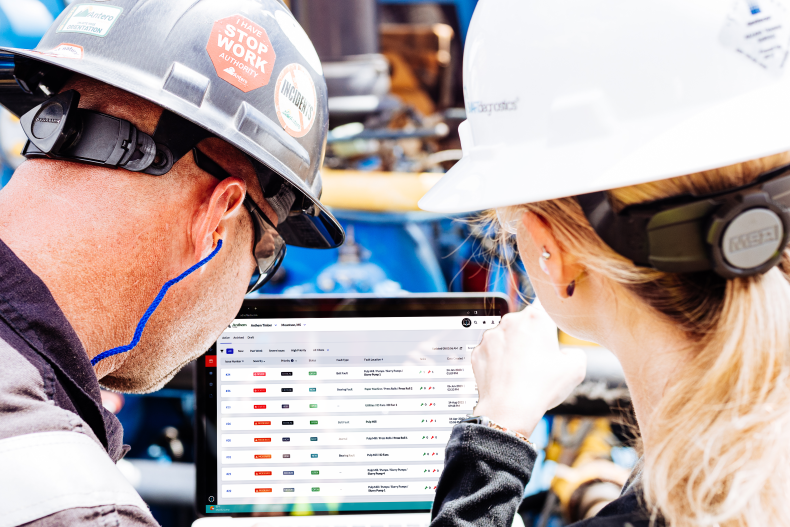
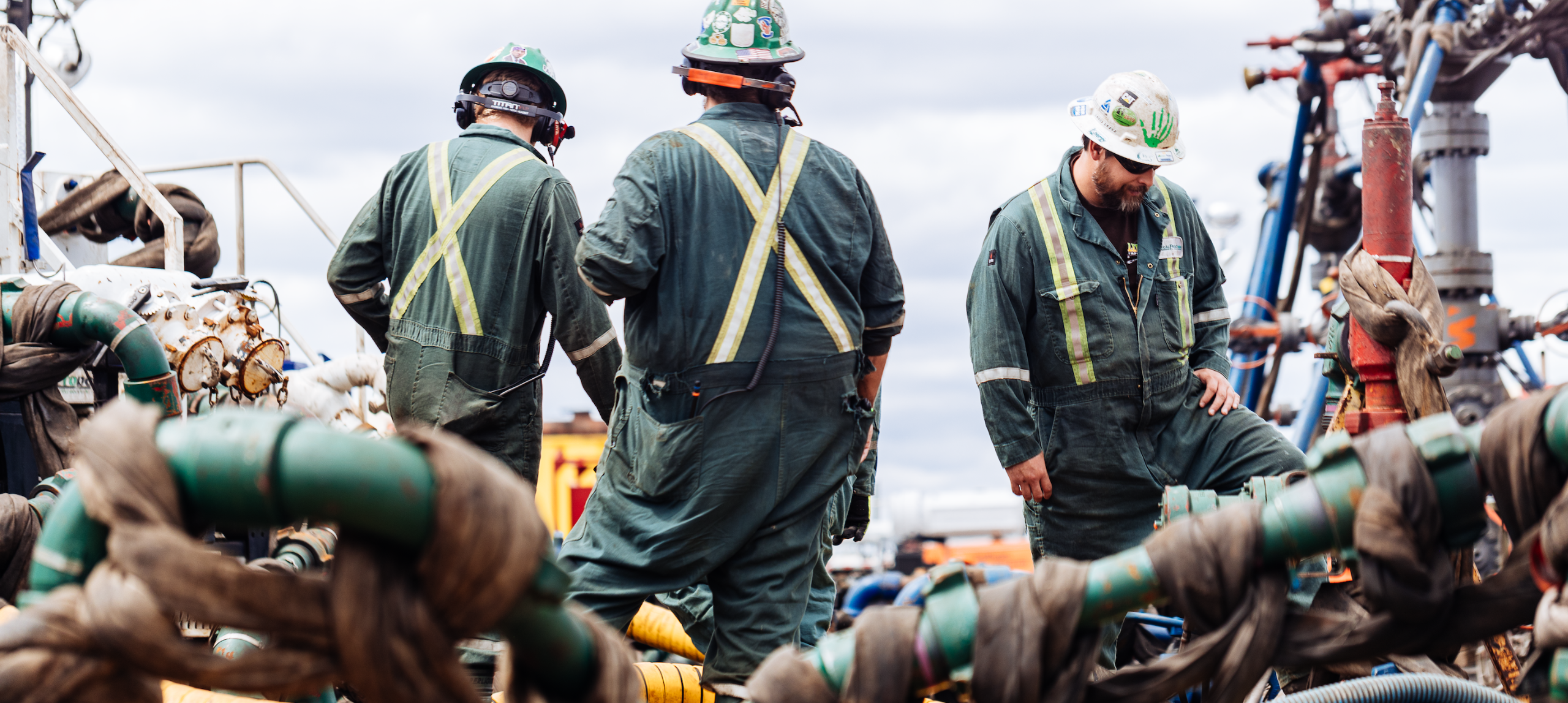
maintenance professionals working on an oil rig

The Best Predictive Maintenance Platform for Maintenance Professionals

Clear direction, confirmed priorities, and guidance specific enough to act on without a vibration expert on your team.

Your Reality

Maintenance professionals are measured on response time, repair quality, and keeping equipment running. The work is demanding and the list rarely gets shorter. When a monitoring system generates an alert, your team needs to know immediately whether it requires urgent attention, whether it can be scheduled, and exactly what needs to be done. 

Most condition monitoring tools hand your team a flag and stop there. Interpreting what the flag means, how serious it is, and what to do about it falls back on the people already managing a full workload. That gap between alert and action is where unplanned downtime lives, and where experienced technicians end up spending time on investigation rather than execution.
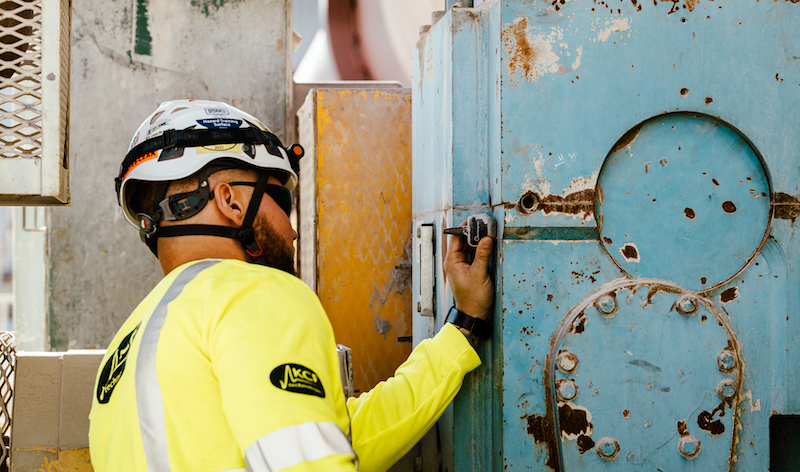
maintenance professional adding a vibration sensor to machinery
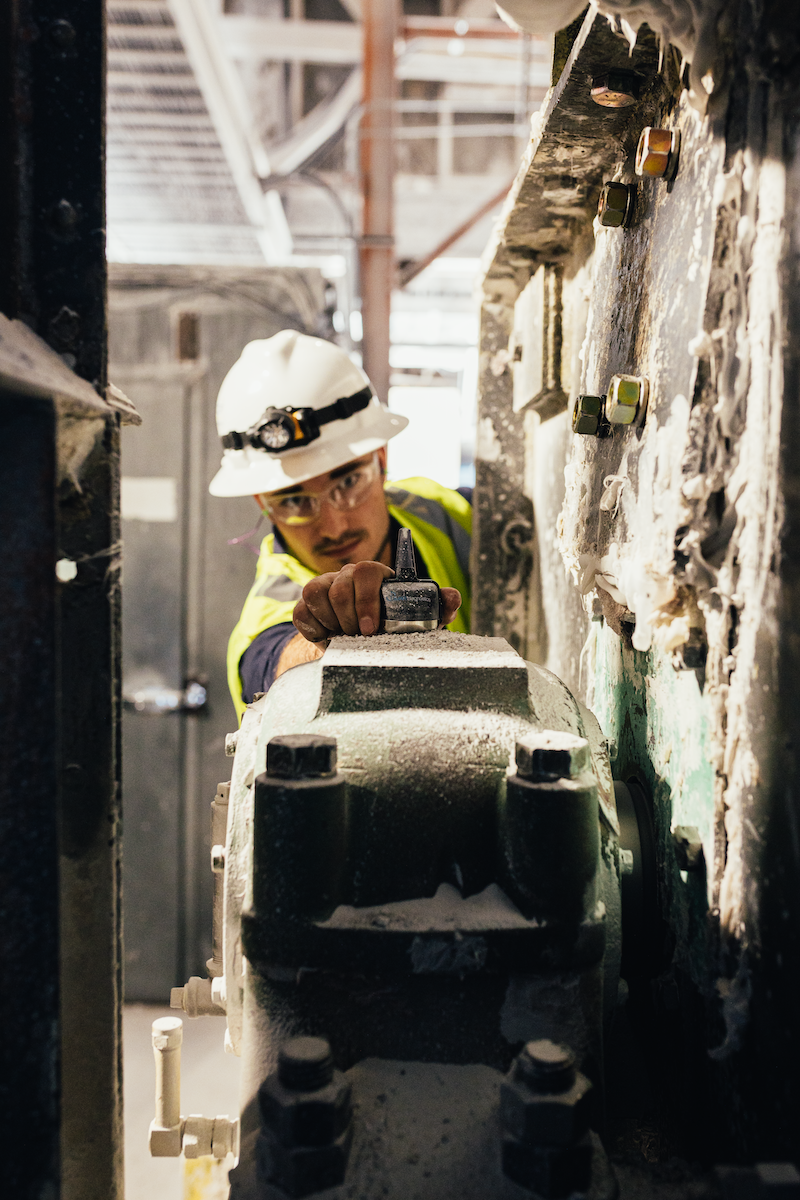
maintenance professional placing sensor on machinery

What KCF Gives Your Team

KCF’s SMARTdiagnostics platform is built to put better information in the hands of the people doing the work. Maintenance professionals receive guidance they can act on immediately, with the context and confidence to make the right call without needing vibration analysis expertise to get there. 

Instead of a generic alert like “bearing anomaly detected,” your team receives specific, prioritized direction: 

“A developmental increase has been identified on the Motor Outboard bearing of Pump 2 over the past week. This is consistent with a progressing bearing defect. Planning maintenance to remediate this issue on the next available scheduled downtime is recommended.“

Every finding is reviewed and validated by a certified vibration analyst before it reaches your team. Your technicians know what the problem is, how serious it is, and how much time they have to address it. That specificity is what allows repairs to be planned into scheduled windows rather than responded to as emergencies, and what allows your team to walk into every job prepared.

How It Works in Practice 

KCF’s wireless vibration and condition sensors continuously monitor your critical equipment. The data runs through AI-assisted analytics and is reviewed by certified analysts who classify faults, stage severity, and document their findings. What reaches your team is a confirmed, prioritized work item with clear corrective guidance. 

That process integrates directly with your CMMS and other enterprise systems, so findings flow into your existing workflow. Rather than managing multiple disconnected tools, your team works from a consolidated view where maintenance priorities, guidance, and history are accessible in one place. 

Work that’s planned, not reactive

What Changes for Your Team

Icon for improving.
Confirmed priorities, not a list of alerts to sort through
Every finding that reaches your team has been validated and staged by severity—so your technicians aren’t sorting through alerts or chasing unnecessary work. Instead of spending time investigating, they can focus on executing repairs that are confirmed to be needed, with clear guidance on what to do and when. Condition-based insights replace calendar-based guesswork, ensuring effort is spent where it matters most.
Icon for improving.
Repairs planned on your schedule, not in emergencies
When your team knows about a repair weeks in advance, it gets planned into a scheduled maintenance window. Companies partnering with KCF Technologies have reported over a 50% reduction in unplanned downtime events—leading to fewer emergency callouts, less overtime, and more predictable workdays.
Icon for improving.
Safer, more controlled maintenance execution
Over 60% of workplace injuries occur during unplanned or reactive maintenance. Early detection gives your team time to prepare, ensuring repairs are completed with the right parts, a clear plan, and under the right conditions. The result is safer work, performed the right way the first time.

Institutional Knowledge That Stays With the Plant

One of the most significant challenges facing maintenance teams today is the retirement of experienced professionals who have spent decades learning the equipment, the failure patterns, and the quirks of a specific facility. That knowledge is difficult to document and nearly impossible to transfer through training alone. When those people leave, they take a significant portion of what made the maintenance program work with them. 

KCF addresses this directly. The platform builds a documented history of every asset, capturing condition trends, fault classifications, analyst findings, and corrective actions over time. Newer team members have access to the full maintenance history of every piece of equipment they are working on, the context that experienced technicians carry in their heads after years on the floor. They know what has happened to the equipment, what was done about it, and what to watch for going forward. 

That continuity protects the program from the disruption that comes with workforce turnover, and it gives newer technicians the foundation to develop their skills faster and with greater confidence. 

Why Maintenance Teams Trust KCF 

Experienced maintenance professionals are the people who keep plants running. KCF is built to support that work, giving your team confirmed findings, specific guidance, and the lead time to execute with confidence. The platform handles the analysis. Your team handles the work, better informed and better equipped than before. 

Gain a competitive edge with KCF

View Case Studies
Card Image
Logo
Customer Success Story
Logo
"At Georgia Pacific we've had KCF sensors in our sites since 2018. we went from 100 sensors in 2018 to maybe 20,000 sensors in 2020. Now, five years later, we have about 62,000 sensors."
Moe Farhat, CSC Mechanical Asset Health
Georgia-Pacific
Card Image
Logo
Customer Success Story
Logo
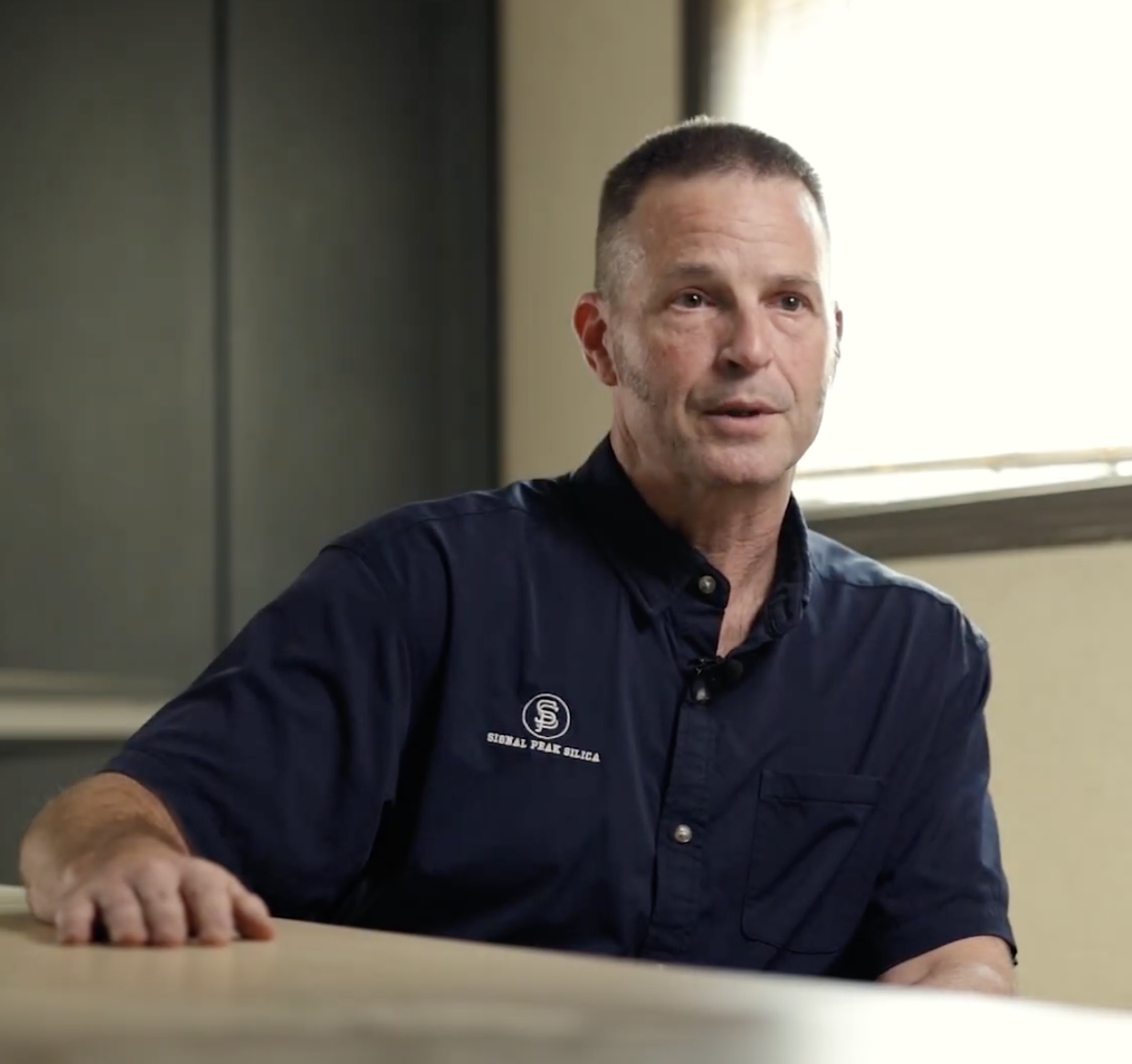
"By having these KCF sensors, we are able to detect when vibrations get out of the norm. We can investigate it and reduce or prevent catastrophic failure."
Leif Christensen, VP of Maintenance
Signal Peak Silica
Card Image
Logo
Customer Success Story
Logo
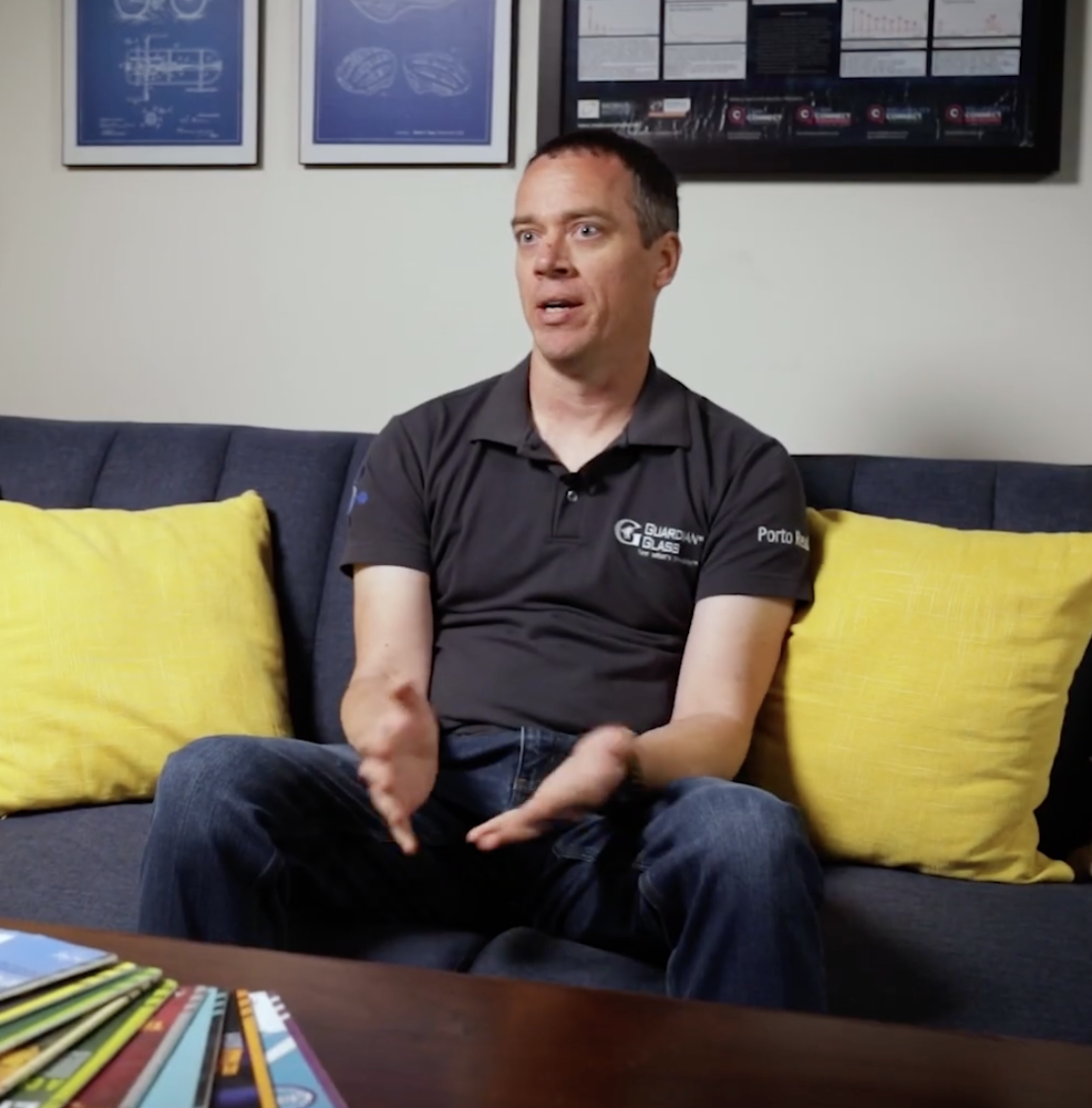
"Once you get those couple of big wins and people start to see a fault within the system and then they go out and they actually see in real life that what they saw on the sensor correlates to what they found on the equipment, suddenly it clicks to them—okay, there’s value."
Jared Stephens, Reliability Manager
Guardian Glass
Logo
"Since deploying KCF Technologies, our reactive maintenance on bearing faults has been reduced by 75%. This makes our facilities safer and more profitable."
James Harman, Chief Executive Officer
EDL Energy
Card Image
Logo
Customer Success Story
Logo
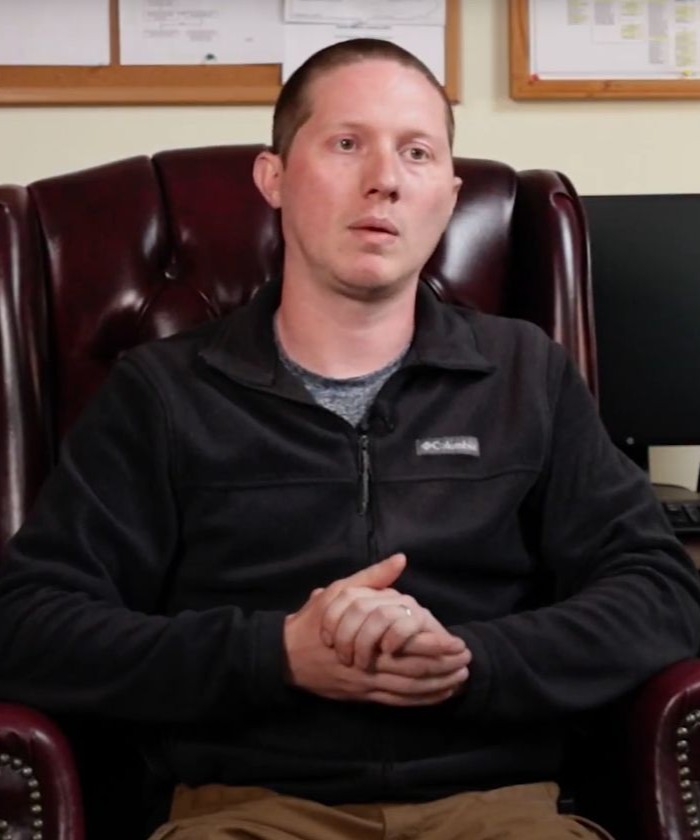
"Within the first two weeks of getting the sensors on site, KCF, they found a fault in one of our motors for our dryer, and it was an over -greasing situation. That one fault that was found saved us over $15,000. Saving that motor, just the motor, saved weeks and maybe months of downtime, and saved people going into a confined space."
Jon Driscoll, Information Technology Coordinator
Altoona Water
Card Image
Logo
Customer Success Story
Logo
"Our maintenance SOAR folks have found a great partnership with KCF."
Susann Kazunas, President
Toyota
Card Image
Logo
Industry Insights
Logo
"80% of the root causes that degrade machinery are avoidable: improper operating conditions, improper maintenance, and poor system configuration. These problems are all proactively solvable. You just need to deploy the right comprehensive machine health platform, get the right data, do the right analysis, and take the right action."
Jeremy Frank, Co-Founder and CEO
KCF Technologies

Frequently Asked Questions

01

KCF Technologies’ SMARTdiagnostics predictive maintenance platform detects early-stage equipment faults before failures occur. Its suite of sensors continuously monitors machine health and delivers real-time, actionable alerts through the SMARTdiagnostics software, enabling teams to plan repairs proactively rather than reactively. This transition from reactive to proactive maintenance reduces downtime, protects assets, and enhances safety. Partner companies have reported unplanned downtime reductions exceeding 50%.

02

Moving from reactive to predictive, condition-based maintenance improves equipment reliability, extends asset lifespan, and reduces unexpected downtime. Instead of responding to failures after they occur, teams can address small issues before they escalate into costly repairs or production interruptions. This approach improves planning accuracy, operational efficiency, safety, and long-term maintenance costs. In addition to preventing downtime and improving overall equipment health, companies that switch to a predictive maintenance framework see a reduction in workplace injuries, with, on average, 60% of all workplace injuries stemming from reactive, unplanned maintenance.

03

A Predictive Maintenance (PdM) platform, although commonly associated with maintenance teams, extends its impact beyond routine equipment upkeep. It provides continuous visibility into asset health, performance trends, and operational risks, enabling organizations to transition from reactive repairs to proactive planning.

This visibility enhances maintenance efficiency, production reliability, safety, cost control, and capital planning. Consequently, a Predictive Maintenance platform functions as an operational strategy that facilitates data-driven decision-making across departments and facilities.

04

Installation is designed to be fast and non-disruptive, even in busy plant environments. KCF’s wireless high-definition vibration sensors can be deployed and start generating data in minutes, with no need for complex wiring or plant Wi-Fi setup. Each sensor has a powerful magnetic base, so it can be placed on a monitoring point without tools. If magnetic mounting isn’t suitable, sensors can also be epoxied or mounted using standard studs, depending on your equipment and conditions. Base Stations, required for transmitting machine health data to the cloud for processing in SMARTdiagnostics, are easily mounted using mounting brackets. Once installed, sensors automatically pair with the closest Base Station, making installation fast and simple. Most teams begin seeing actionable machine health insights within a day. Installation is easy enough that on-site staff can normally complete this process, KCF Technologies also offers hands on install, where our team will install and optimize your system.

05

KCF Technologies offers solutions to monitor almost any asset type - from standard rotating assets like fans, pumps, and motors, to complex and intermittent assets, like Cranes and Robots. Our SMARTsensing hardware suite was built with scale in mind, allowing your deployment and coverage to grow over time. The High Definition Vibration sensor is our most widely deployed sensor, designed for covering the majority of rotating equipment within a plant. The IoT HUB enables monitoring in high-temperature locations where temperatures exceed battery-rated thresholds, the use of third-party sensors, monitoring of intermittent equipment, and data collection triggered by PLC events. Piezo sensing enables ultra-early fault detection on high criticality assets, such as Paper Machines, where notice years in advance is needed. Piezo Sensing is also best suited for cases with both very high and very low running speeds.

06

As the most comprehensive predictive maintenance platform on the market, SMARTdiagnostics can detect almost any fault type, including mechanical, electrical, and operationally driven faults. This list of fault types is continuously growing, but as of February 2026, KCF Technologies is able to detect:

  • Journal Bearing Faults (Journal Wear, Oil Whirl/Whip, Rubbing/Clearance)
  • Rolling Element Bearing Faults (Cocked Bearing, Fluting/EDM, Inner Race, Outer Race, Rolling Element, Skidding)
  • Belt Faults (Looseness, Misalignment, Overtensioned, General Wear)
  • Bent Shaft
  • Chain Fault (Looseness, Misalignment, Overtension, Timing, Wear)
  • Coupling Fault (Locking, Looseness, Misalignment, Wear)
  • Drive Faults (AC Motor Electrical Fault, DC Motor Fault, Motor Internal Mechanical Fault, Servo Motor Fault, Variable Frequency Drive/Speed Controller)
  • Gear Faults (Backlash, Eccentricity, Misalignment, Timing, Tooth Defects, Wear)
  • Hydraulic Fracturing Pump specific faults (impacting, lubrication, Power End, Washout)
  • Imbalance
  • Lubrication Issues (Bearings, Belt/Chain, Gear)
  • Overheating (Electrical, Environmental (Dust), Filter, Flow Obstruction, Insufficient Cooling)
  • Pump Wear
  • Pump Fluid System Faults (Cavitation, Contamination, Debris, Filter, Seal Failure, Starvation, Valve Failure, Washout)
  • Resonance
  • Rotating Looseness
  • Structural Looseness (Bearing Housing Looseness, Soft Foot)
  • Turbulence
07

Absolutely. In fact, many understaffed teams rely on SMARTdiagnostics to overcome these challenges. Because critical issues are prioritized in SMARTdiagnostics, this eliminates the need to manually sift through large volumes of data or manually track down machine issues. Clear alerts, recommended actions, and streamlined workflows allow smaller teams to focus their time where it matters most, increasing efficiency without increasing headcount.

08

Yes. SMARTdiagnostics was designed to be usable by employees at all levels, regardless of expertise. In addition to the advanced vibration analysis tools within SMARTdiagnostics, our Desk module in SMARTdiagnostics creates Issues that clearly detail the symptoms of the developing fault and recommendations to remediate the issue, all in plain language. Technicians can quickly view alerts, diagnostics, and asset history with minimal clicks, helping them execute work efficiently without added administrative burden.

09

Absolutely. The SMARTdiagnostics® platform provides enterprise-wide, multi-site visibility. Organizations can organize assets by facility, assign role-based permissions, route alerts to local teams, and roll performance data into centralized dashboards for benchmarking and standardization.

10

Yes! Our Piezo Sensing solution was developed specifically for both ultra-low and high-speed assets. Piezo Sensing records 96,000 samples per second to detect even the most subtle bearing fault and can operate at speeds as low as 2 RPM. Piezo Sensing produces handheld-captured quality data in a remote, continuous format, enabling real-time monitoring rather than finite, independent recordings.

11

Probably not! With the IoT HUB, SMARTdiagnostics can ingest data from almost any third-party, OEM-installed, legacy, or IEPE sensors. Once ingested, this data can be trended in real-time alongside your other machine health sensor types. For questions about specific sensors, Contact Us.

12

Most predictive maintenance providers market High-Resolution vibration sensors, but at KCF we offer High-Definition. What’s the difference? High-Resolution data provides large amounts of data at less frequent intervals, whereas high-definition data provides medium-resolution data with more frequent full-spectrum readings.

You can think of it like this: High-definition is like taking a high-resolution photograph of a football game; the image quality might be so good you can zoom in and see what brand of gloves a player is wearing; however, it cannot give you information on what direction the player is going, penalties, or if they are in bounds.

High-Definition data, on the other hand, is like taking a sequence of photos, providing a more comprehensive view of field dynamics. Can you see a shoelace? Probably not. But did you need to? This is the idea with High-Definition data: the high detail of High-Resolution often just adds noise, making it nearly impossible to identify the underlying causes of the equipment damage.

While High-Resolution can prevent machine failures, it cannot get to the Root Cause, which is necessary to reduce the total number of maintenance incidents over time.

13

In wireless sensors, ease of battery change is a crucial yet often overlooked factor in choosing a predictive maintenance vendor. On small deployments, changing batteries is manageable, but as deployments scale, managing battery replacements can be challenging. By choosing a provider with an easily sourced, no-tools-required battery, teams can scale their deployments without worrying about battery change issues. The High-Definition Vibration Sensor was designed with this in mind. Changing batteries on the High-Definition Vibration sensor is easy and low-cost. High-Definition Vibration sensors operate with a store-bought CR123A and require no tools. Simply open the top latch and insert your new battery in seconds.

Request a demo

Want to eliminate unplanned downtime and extend the lifespan of your critical assets?
Contact us to see how our comprehensive, AI-driven predictive maintenance platform can optimize your operations.

Book Demo

336 S. Fraser Street
State College, PA 16801

+1 (814) 867-4097
  • Subscribe to Our Newsletter
  • Request a Demo
  • Solutions
    • Hardware
    • Software
    • Services
  • Industries
    • Oil & Gas
    • Automotive
    • Forest Products
    • Food & Beverage
    • Mining
    • Metals
    • Chemicals
    • Utilities
    • Wastewater
  • Case Studies
    • Automotive
    • Chemicals
    • Forest Products
    • Oil & Gas
    • Utilities
    • All Case Studies
  • Resources
    • Blog
    • Machine Health Optimization
    • Events & Webinars
    • Who We Serve
    • Value Calculator
    • Glossary
    • Podcast
    • KCF Academy
  • About
    • Meet Our Team
    • Join Our Team
    • Partnerships
  • Contact
    • Sales
    • General Inquiry
    • Careers Contact
  • Customers
    • Product Support
    • System Status
    • SD Login

© 2026 KCF Technologies LLC. All Rights Reserved.
  • Privacy Policy
  • Vulnerability Disclosure
  • Terms of Use
  • End User Licensing Agreement
  • Sitemap