At Guardian Glass, equipment reliability is not about simply avoiding downtime; it is about people, safety, and the ability to deliver exceptional products in an environment where operations run 24/7. It is about people, safety, and the ability to deliver exceptional products in an environment where operations never truly stop. Across nine plants in the U.S., Mexico, and Brazil, teams are responsible for producing glass in operations that run continuously for years at a time. Unplanned downtime is not just disruptive. It can be catastrophic.
For years, much of the work across these plants followed a familiar pattern: equipment ran until it failed. Maintenance teams were forced into urgent, high-risk situations, often with little warning and limited time to prepare.
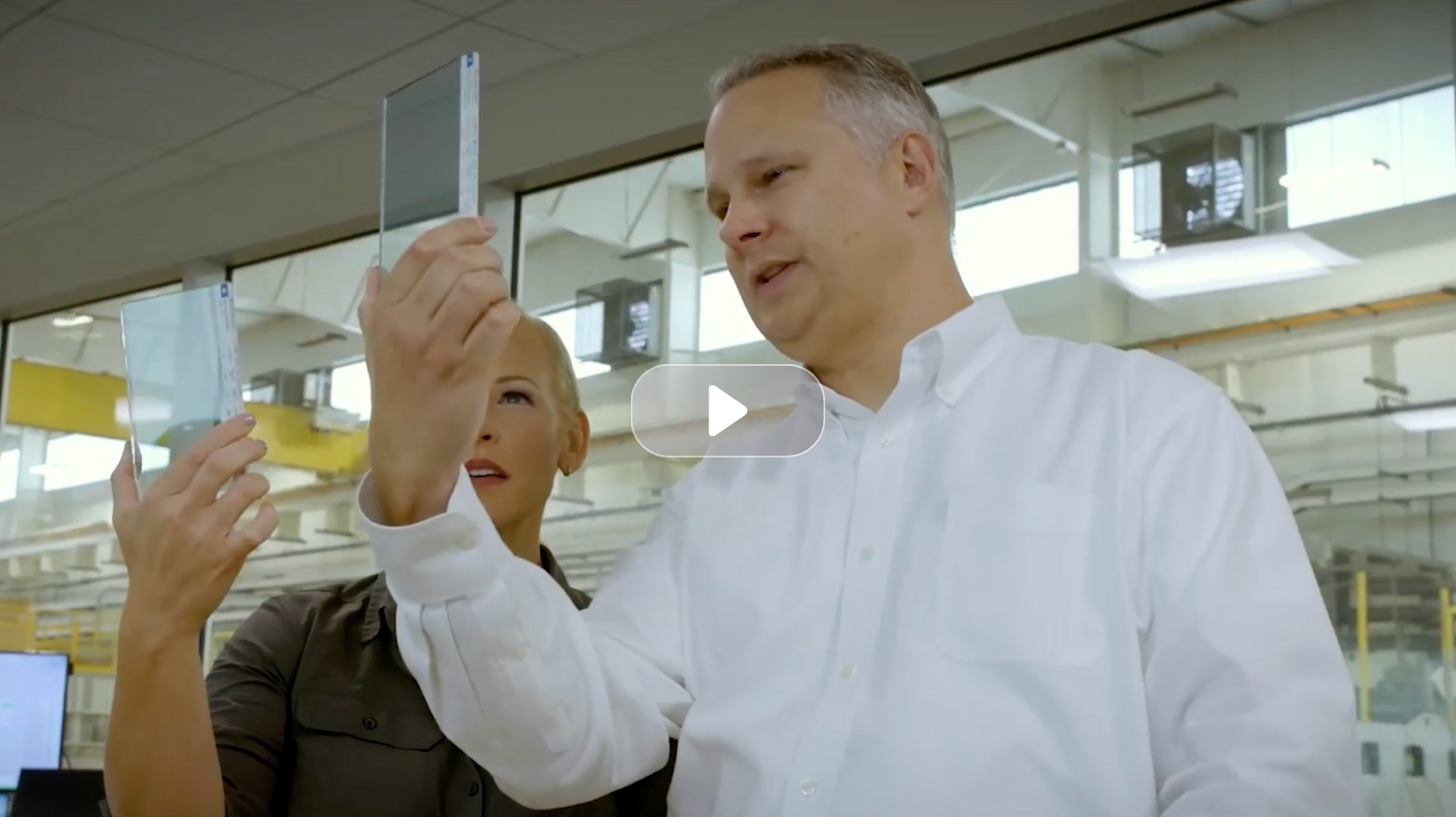
“In the past, a lot of times we just ran equipment to the point of failure,” says Jared Stephens, Regional Reliability Manager at Guardian Glass. “Now, we’re identifying faults or issues in equipment months before we ever need to take any big actions.”
That shift began when Guardian Glass partnered with KCF Technologies and adopted its predictive maintenance platform.
Moving Beyond Run-to-Failure
Glass operations are uniquely unforgiving. Lines may only stop once every three to five years. There is no convenient window for unexpected repairs. With KCF’s predictive maintenance platform, Guardian Glass can now see developing issues far in advance.
“If we can see something, we can plan six months, twelve months in advance to actually make the repair,” Jared explains.
Instead of reacting under pressure, teams can prepare intentionally. Maintenance becomes coordinated rather than chaotic. Work can be scoped properly. Parts can be staged. The right people can be scheduled. Risk assessments can be completed long before intervention is required.
The result is not just better planning. It is safer work. When issues are identified early, teams avoid emergency repairs, rushed decisions, and hazardous conditions.
When Data Becomes Belief
Guardian Glass selected KCF for the depth and clarity of vibration data available directly in their SMARTdiagnostics software. But the real transformation happened when that data began to build trust on the plant floor.
Adoption accelerated after early wins. A fault would appear in the system. A technician would investigate. The physical condition of the machine would match what the data predicted. In that moment, the platform stopped feeling theoretical.
“Once you get those couple of big wins and people start to see a fault within the system and then they go out and they actually see in real life that what they saw on the sensor correlates to what they found on the equipment, suddenly it clicks to them—okay, there’s value.”
Jared Stephens
Regional Reliability Manager
Guardian Glass
That belief reshapes behavior. After maintenance is completed, teams now return to the platform first. They check the current running condition and validate the work they just performed. The data becomes part of the job, not something separate from it.
Predictive maintenance becomes something people rely on.
 From Time-Based to Condition-Based
Across Guardian Glass plants, maintenance is shifting from time-based routines to condition-based decisions.
One site now uses vibration data to determine when cooling fan filters should be replaced. What was once a fixed schedule now adapts to reality. During heavy pollen seasons, filters may need attention every few days. At other times, weeks may pass between changes. The work follows machine health instead of a calendar.
In another instance, sensors identified a coupling beginning to fail long before it became hazardous. The issue was resolved before it could leak or create risk. These are not isolated wins. They represent a new way of working. Teams are no longer guessing. They are responding to real machine conditions with clarity and confidence.
Safety as the True Outcome
For Guardian Glass, the most meaningful impact is not efficiency. It is safety. “The biggest impact, really, is safety,” says Jared. “We’re able to do less risky work when we’re working on our equipment.” By seeing problems early, teams avoid emergency repairs and dangerous situations. Work becomes planned. Environments become more controlled. People are put in safer positions.
Predictive maintenance is not about replacing people.
It is about strengthening them.
“It’s not eliminating people,” Jared adds. “It’s just enhancing those people that already have some of the knowledge.” With KCF’s predictive maintenance platform, Guardian Glass has moved from reacting to problems to anticipating them. The result is safer work, smarter planning, and operations that can serve customers with confidence, flexibility, and consistency.
It is not just about keeping machines running. It is about building a future where people can do their best work in the safest way possible.