
 The Problem
When predictive maintenance systems fall short, the consequences ripple across operations with delayed insights, mounting manual work, and eroded trust in the data meant to prevent failure.
The former customers of other machine health solutions have told us of their issues with connectivity, limited software capabilities, and sluggish support. What began as a promising implementation turned into a year-long struggle to stabilize the system.
This case study explores how those frustrations led to a decisive shift to KCF—and how that move transformed their maintenance strategy from reactive patchwork to proactive precision.
Ongoing Connectivity Issues
- Unfinished Installations: More than a year after implementation, installation was still incomplete.
- Endpoint Roaming Bug: Sensors failed to return to their optimal node, leading to frequent offline status and unreliable data.
- Frequent Battery Changes: Specialized tools and proprietary batteries required, adding maintenance overhead.
- Manual Corrections Required: Lack of an automated solution forced the team to manually reassign nodes and sensors, increasing operational inefficiencies.
Software Limitations
- Lack of Real-Time Insight: No visibility into sensor connection quality or missing monitoring points.
- Inaccurate Reporting: Offline reports failed to correctly capture sensor status, making data unreliable.
- Limited Vibration Analysis: No frequency chart analysis, preventing accurate root cause identification.
- Alarm System Flaws: Single-sample-based alarms led to excessive false positives, reducing confidence in alerts.
- Data Viewing Challenges: No asset tree, requiring users to manually search for assets, making it cumbersome to compare performance across equipment.
“By giving our teams the right tools and resources, planning and working the plan, and addressing root causes, we can transition from reactive repairs to proactive maintenance, ultimately improving safety, efficiency, and availability.”
Kristin Sweeney
Director of Operations and Engineering
US Aggregates
What We Are Hearing CTD
Slow Response to Critical Issues
- Delayed Implementations: Took over seven months to resolve major connectivity issues, with other key requests still pending after a year.
- Incomplete Site Deliverables: Node assignment lists, critical for system optimization, were never provided.
- Manual Workarounds Needed: Customers had to develop their own solutions to compensate for system shortcomings, such as tracking sensor placements.
How We Stack Up
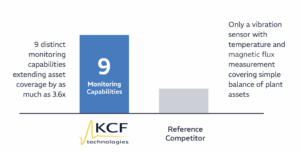 Why This Matters:
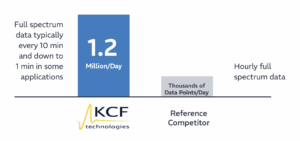 Why This Matters:
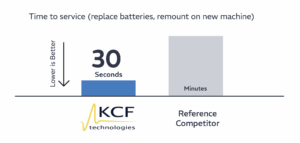 Why This Matters:
Conclusion
Faced with persistent connectivity failures, limited diagnostic capabilities, and slow support from their previous provider, the team needed a solution that could deliver on reliability, insight, and usability.
By making the switch to KCF, the team was able to tackle their biggest challenges—eliminating node reassignment issues, enabling deep vibration analysis for accurate root cause detection, and providing responsive support that resolved issues swiftly. With intuitive software that streamlined reporting, improved asset visibility, and automated monitoring, KCF empowered the customer to move from reactive troubleshooting to confident, data-driven maintenance.